Evaluating the Alune Keynote Template: A Practical Guide for Presentation Builders
When you need to build a presentation that communicates clearly and looks polished, the tools and templates you choose matter. The Alune Keynote Template is one option that has drawn attention from professionals who regularly create slides for pitches, portfolios, or internal reports. But like any resource, it comes with specific strengths and tradeoffs. This article walks through what the Alune Keynote Template offers, how it compares with other approaches to presentation design, and how to decide if it fits your workflow.
What the Alune Keynote Template Provides
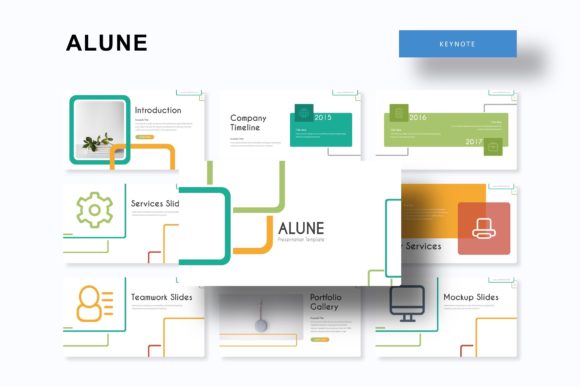
At its core, the Alune Keynote Template is a large collection of slide layouts designed to speed up presentation creation. It includes 150 total slides organized across five premade color variations, with 30 slides per template. That means you get five separate PPTX files, each in widescreen format, each with its own consistent color palette. The idea is that you can choose a color direction early and then build your entire deck without needing to adjust hues or contrast manually.
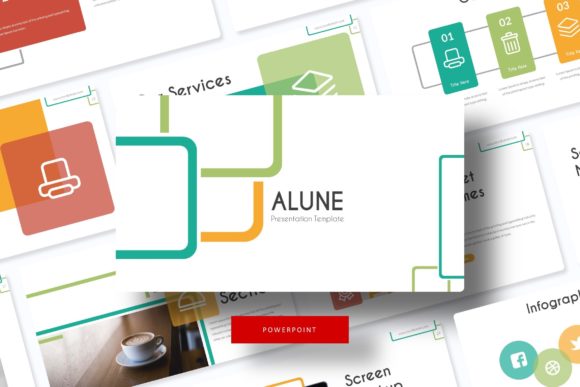
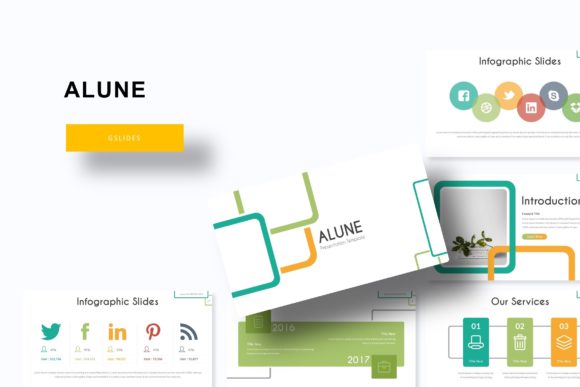
The template includes handcrafted infographic elements, section break slides, and dedicated gallery and portfolio slide layouts. Graphics are described as pixel-perfect illustrations, and all elements are resizable and editable. Picture placeholders use a drag-and-drop model, which means you can insert your own images without breaking the layout. The entire set is built on master slides, so changes you make to a master layout propagate across all slides that use it.
What you get in the download includes five PPTX files, a readme file, and a link to download the free fonts used in the design. The preview images you may have seen online are for illustration only—the actual photographs shown in those previews are not included.
How This Template Compares with Other Presentation Approaches
To understand whether Alune Keynote Template is right for you, it helps to consider the broader landscape. Many professionals build presentations from scratch using Keynote or PowerPoint, which gives full control but takes significant time. Others use simpler template collections that offer fewer slides and less color variation but are faster to browse. Still others rely on design services or custom decks built by agencies.
The Alune Keynote Template sits in a middle zone. It offers more structure and variety than a basic template set, but it is not a custom design service. If you need a presentation that feels cohesive but you do not have the budget or timeline for a bespoke deck, this kind of template collection can be a practical middle ground. The five color variations also allow you to match your brand or client preferences without editing every slide individually.
Compared to building from scratch, the template reduces the number of design decisions you need to make. The handcrafted infographics and section breaks are already laid out, so you focus on content rather than layout. Compared to using a single-template approach, the Alune collection gives you more slides to work with, which is useful if your presentation runs long or covers multiple topics.
Strengths Worth Noting
One of the more practical strengths is the inclusion of 30 slides per color variation. That is enough to build a substantial deck without running out of layout options or repeating the same slide design multiple times. The gallery and portfolio slides are particularly relevant if you present visual work, such as design projects, photography, or product shots. Having those layouts prebuilt can save several hours of alignment and sizing work.
The drag-and-drop picture placeholders are another time-saver. When you import an image into a placeholder, the template automatically crops and positions it within the frame. That reduces the need to manually resize or reposition each image, which is one of the more tedious parts of presentation building. The fact that the graphics are pixel-perfect illustrations also means the visual quality remains consistent across slides, as long as you stick with the included illustration style.
Master slide support is a feature that experienced presenters tend to appreciate. If you decide to change a font, adjust a background color, or move a footer across all slides, you can do so from the master slide rather than editing each slide individually. This is especially valuable if your presentation runs 40 or 50 slides using multiple layouts from the set.
Tradeoffs and Limitations
No template is a perfect fit for every use case. One limitation of the Alune Keynote Template is that the included illustrations and infographics have a specific visual style. If your brand or the tone of your presentation requires a different aesthetic—for example, a more minimal or more playful look—you may need to replace or adapt some of the graphics. That is possible because everything is editable, but it does add work.
Another consideration is the file format. The template is provided as PPTX files, which are native to PowerPoint. While Keynote can open PPTX files with reasonable fidelity, some formatting may shift during conversion, especially if you use advanced animations or embedded fonts. If you work exclusively in Keynote, you may want to test a few slides before committing to the full template. The readme file includes notes about fonts, which can help avoid substitution issues, but it is still worth a trial run.
The fact that preview photographs are not included is a minor but practical point. The preview images that showcase the template are often styled with professional photography, and your own images may not match that look perfectly. That is normal, but it means the final result depends partly on the quality and composition of the photos you supply.
Finally, 150 slides across five color variations means you need to decide which color direction to use before you start building. While you can switch later, it may require reworking some slides if elements are tied to specific color swatches. Planning ahead reduces that friction.
When This Template Makes Sense
The Alune Keynote Template is a reasonable choice if you are preparing a presentation that needs to look professional but does not require a fully custom design. It works well for portfolio reviews, client pitches, conference talks, or internal strategy decks where visual consistency matters. The gallery slides are a clear fit for photographers, designers, architects, and other visual professionals who need to showcase work.
The five color variations also help if you present to different audiences or brands. You can use one color set for one client and a different set for another, without needing to start from scratch each time. That can be useful for freelancers or small agencies who produce multiple presentations per quarter.
If you already have a strong sense of your content and just need a clean, structured container for it, this template removes much of the layout friction. The handcrafted infographics are helpful if you present data or processes but do not have time to build diagrams from scratch.
When You Might Want to Look Elsewhere
There are situations where the Alune Keynote Template may not be the best fit. If your presentation requires highly specific branding that includes custom typography, unique illustration styles, or strict color standards, you may find that editing the template to match those requirements takes as long as building from scratch. In that case, a custom deck or a more minimal template that imposes less visual style could save time.
If you work primarily in Keynote and prefer to avoid format conversions, you might want to look for a template that is natively built in Keynote rather than delivered as PPTX. While the conversion works well for many users, it adds a step and a potential point of friction.
Another scenario is when you need a very short presentation, such as a five-slide executive summary. In that case, a 30-slide template per color may feel like overkill. A smaller, more focused template set could be easier to navigate and faster to customize.
If your presentation relies heavily on data visualization such as complex charts or large tables, the infographics in this template may not go deep enough. You might need to supplement them with other tools or build your own charts from scratch.
Practical Tips for Evaluating This Template
If you are considering the Alune Keynote Template, start by identifying the primary use case. Write down how many slides you need, what kind of visuals you will include, and whether you have existing brand guidelines. Then compare those needs against what the template offers. The 30 slides per color set and gallery layouts are strong signals for visual portfolios. The infographics are useful for process or feature explanations.
Download the free fonts listed in the readme file before you begin. This prevents font substitution from shifting your layout after you have started customizing. Also, test a few slides with your own images to see how the drag-and-drop placeholders handle different aspect ratios and resolutions.
If you plan to use the template for multiple projects, the five color files can serve as starting points for different clients or topics. Keeping them organized in a folder with notes on which color set you used for which project can save time later.
Finally, remember that the photographs in the preview are not included. Plan your own image sourcing early so you do not end up with empty placeholders right before a deadline. The template gives you a strong structure, but the content you bring is what makes the presentation yours.
Making an Informed Decision
Choosing a presentation template is about matching your workflow, your content, and your audience. The Alune Keynote Template provides a substantial set of slides, multiple color directions, and editing flexibility that can benefit many professionals. Its strengths lie in visual consistency, layout variety, and time savings for image-heavy or portfolio-style presentations. Its tradeoffs include a specific illustration style, PPTX delivery, and the need to supply your own photography.
By understanding what the template offers and where its limitations sit, you can decide whether it fits your next presentation or whether a different approach would serve you better. No single template works for every project, but for many mid- to large-sized decks that need to look clean and cohesive, the Alune Keynote Template is a practical option worth evaluating.